
What happens when we move beyond the caricatures and actually study the man?
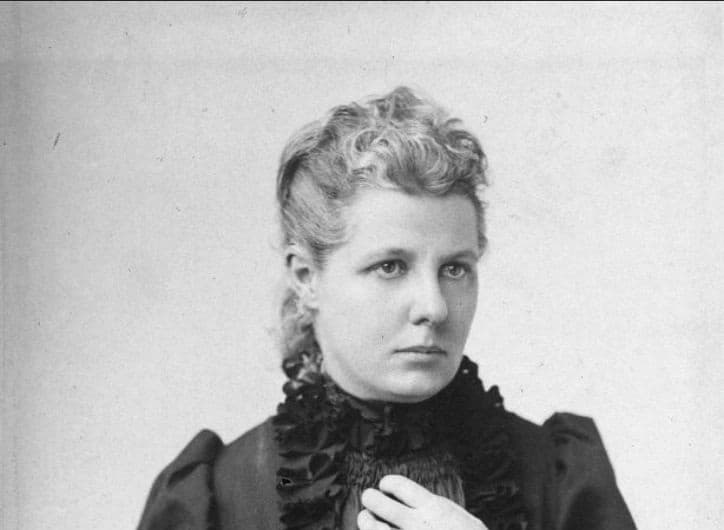
Annie Besant (1847–1933) was one of the most remarkable and outspoken female public figures of her generation, a British writer, social reformer, campaigner and public intellectual.
At a time when women could not vote in parliamentary elections, she advocated women's suffrage, challenged restrictions surrounding women's reproductive choices and used her journalism to expose the dangerous and exploitative working conditions faced by female factory workers.
In 1888, her investigation into the conditions endured by the predominantly female workforce at the Bryant & May match factory in London's East End helped bring national attention to their extremely low wages, punitive fines and exposure to dangerous white phosphorus. The subsequent Matchgirls' Strike became an important moment in British labour history.
Besant was certainly not a woman afraid to challenge the established thinking of her time.
And that makes what she wrote about the Prophet Muhammad ﷺ particularly interesting.
After studying his life and teachings, one of the most outspoken women of nineteenth-century Britain, a woman who spent her life challenging convention and campaigning for freedom, equality and social justice, wrote the following about the Prophet Muhammad ﷺ:
“It is impossible for anyone who studies the life and character of the great Prophet of Arabia… to feel anything but reverence for that mighty Prophet.”
And Besant did not stop there, she described her own experience of repeatedly returning to his life:
“I myself feel whenever I re-read them, a new way of admiration, a new sense of reverence for that mighty Arabian teacher.”
These were not the words of a Muslim writing about her Prophet.
Nor were they the words of a woman who simply accepted the social conventions and expectations placed upon women in her time.
They were the reflections of a fiercely independent British woman who spent much of her public life challenging those very conventions.
And here we need to learn the important lesson.
There is a difference between encountering the Prophet Muhammad ﷺ through the narratives of others and encountering him through his life story.
Besant did the latter.
And what she discovered inspired not hostility or suspicion, but admiration and reverence.
At a time when Muhammad ﷺ the Prophet, continues to be discussed, portrayed and often deeply misunderstood, Besant's words offer a simple invitation:
Read his life. Study his character. Then make up your own mind.
Muhammad ﷺ through the eyes of others.
WhatsApp updates
Be notified when something new is published
Join our WhatsApp broadcast list for a short message whenever a new article, Q&A answer or lecture goes live. Updates only - no group chat, and your number is never shared.
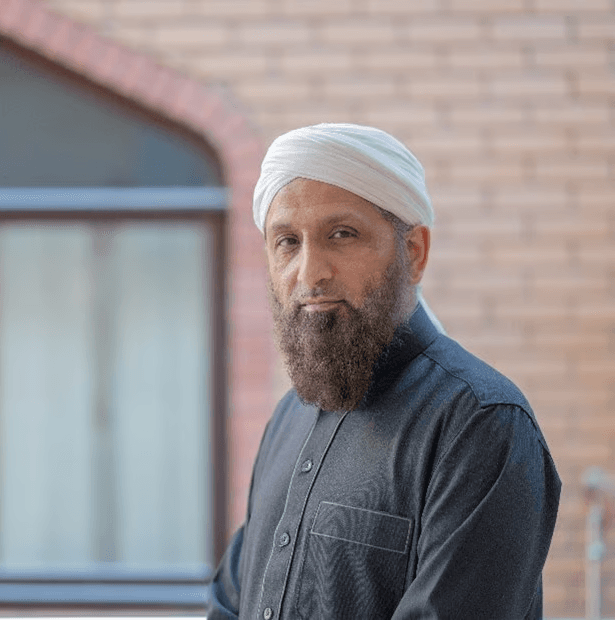
Shaykh Yunus Dudhwala
NHS hospital chaplain of 28 years, Islamic scholar, speaker and writer.
More about Shaykh Yunus →