
Negative narratives about the Prophet Muhammad ﷺ did not begin with social media.
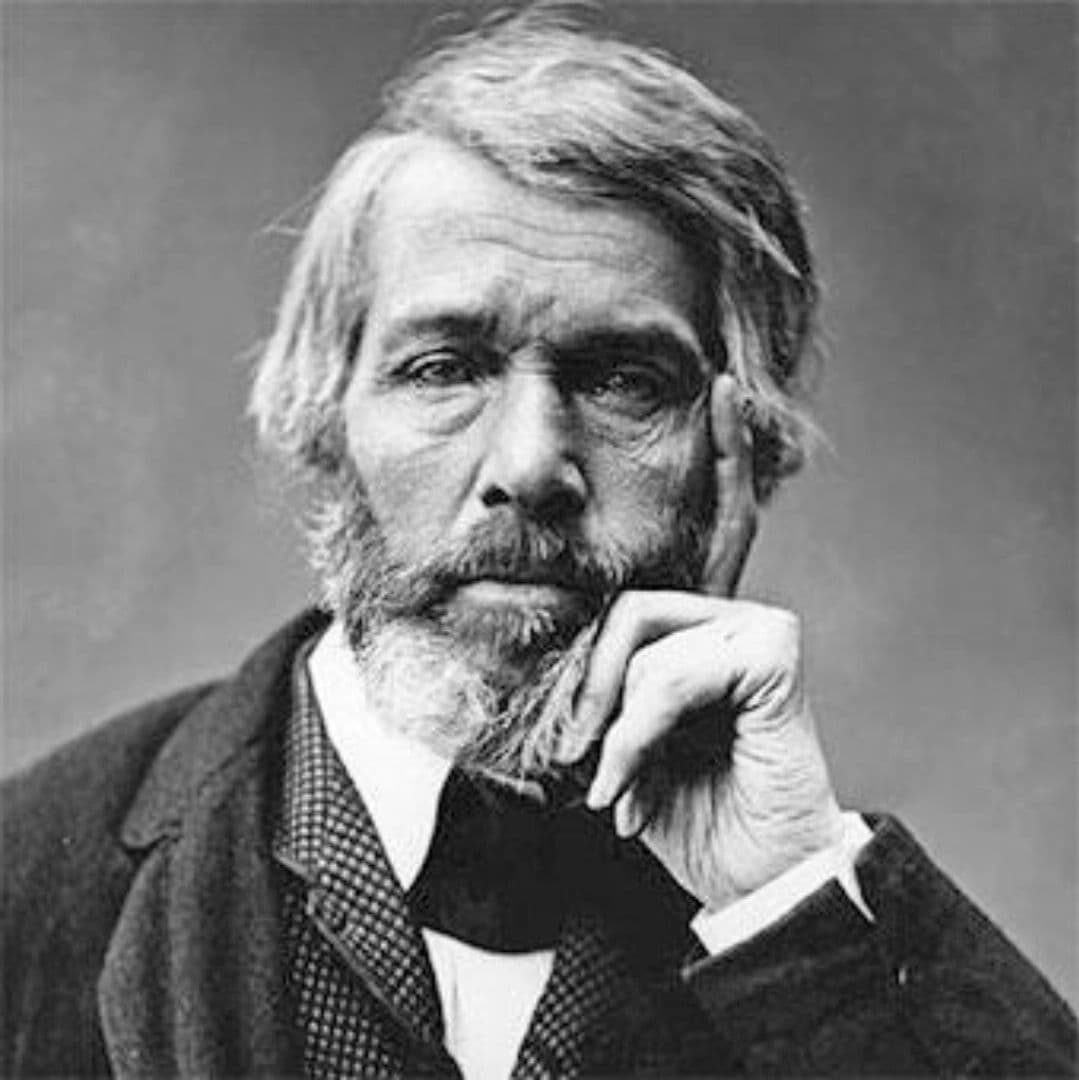
Almost two centuries ago, Thomas Carlyle (1795–1881) was one of the most influential intellectual voices of Victorian Britain. A Scottish historian, philosopher, essayist and social commentator, his writings on history, leadership and society were widely read and debated. Such was his reputation that Oscar Wilde described him as “our English Tacitus,” declaring: “He made history a song for the first time in our language." His writings established him as a major figure in nineteenth-century British intellectual life.
In 1840, while delivering a series of lectures in London on the individuals he believed had shaped human history, Carlyle made a surprising choice. For his example of “The Hero as Prophet”, he chose the Prophet Muhammad ﷺ.
He wasn't making an incidental comment about Islam and its Prophet; Muhammad ﷺ was deliberately selected for a lecture within Carlyle's wider examination of the great figures who shaped history.
In that lecture, Carlyle directly challenged the prevailing portrayal of Muhammad ﷺ as an impostor:
“Our current hypothesis about Mahomet, that he was a scheming Impostor… begins really to be now untenable to any one.”
And then, in characteristically direct language:
“A false man found a religion? Why, a false man cannot build a brick house!”
Carlyle posed a simple but profound challenge.
A fraud may deceive people for a while. But could an entire religious civilisation, followed by millions across generations and centuries, really have been built upon the deception of one man?
Carlyle did not approach Muhammad ﷺ as a Muslim. He approached him as a historian and thinker trying to understand the man behind the narratives he had inherited.
And what he found led him to reject the caricature.
Nearly 200 years later, perhaps the challenge remains very similar.
Do we judge the Prophet Muhammad ﷺ by the mischaracterisations we encounter in the media and on social media, or do we take the time to discover the man for ourselves?
Spoken at a time when Muhammad ﷺ was deeply misunderstood, Carlyle's words of admiration remain surprisingly relevant today.
Muhammad ﷺ through the eyes of others.
WhatsApp updates
Be notified when something new is published
Join our WhatsApp broadcast list for a short message whenever a new article, Q&A answer or lecture goes live. Updates only - no group chat, and your number is never shared.
Shaykh Yunus Dudhwala
NHS hospital chaplain of 28 years, Islamic scholar, speaker and writer.
More about Shaykh Yunus →