
Muhammad ﷺ — a warlord and violent warrior?
It is a portrayal repeated for centuries and still amplified today.
But what happens when one of the twentieth century's most famous advocates of peace and non-violence actually studies the life of the Prophet Muhammad ﷺ?
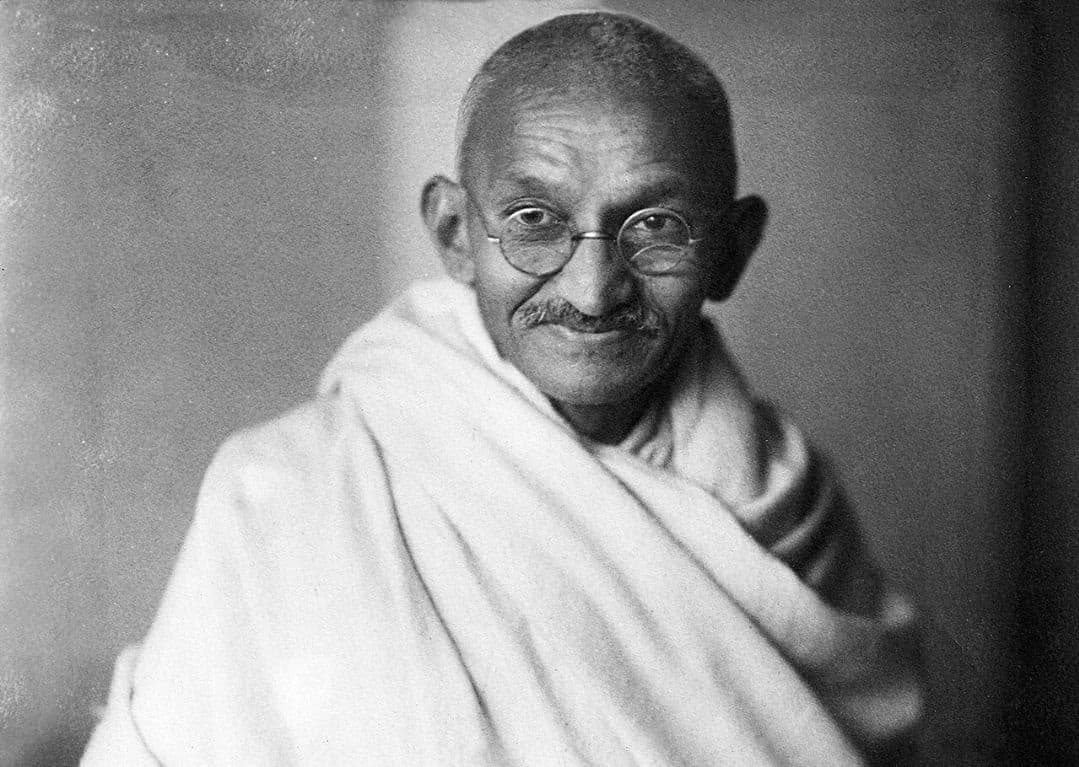
Mahatma Gandhi did.
Mohandas Karamchand Gandhi (1869–1948) became one of the most recognisable figures of the twentieth century. His philosophy of non-violent resistance inspired movements for justice and civil rights across the world.
While imprisoned, Gandhi read works on the Prophet Muhammad ﷺ by the renowned Muslim scholar Maulana Shibli Nu'mani.
Gandhi acknowledged that Muhammad ﷺ had been “almost uniformly maligned and abused in the West.”
Rather than approaching his life “as a critic or a scoffer”, Gandhi wanted to understand the man for himself: “I wanted to know the best of the life of one who holds today an undisputed sway over the hearts of millions of mankind…”
And what he concluded will surprise many:
“I became more than ever convinced that it was not the sword that won a place for Islam in those days in the scheme of life.”
So what did Gandhi believe had won people over?
He pointed to the Prophet's simplicity and self-effacement, his regard for his promises, his devotion to his followers, his courage and fearlessness, and his absolute trust in God.
Gandhi concluded:
“These and not the sword carried everything before them and surmounted every obstacle.”
There is something particularly powerful about those words.
Here was a man whose name became synonymous with non-violence, studying someone whom critics have so often portrayed through the language of war and violence.
And Gandhi did not see the caricature.
He saw simplicity. He saw integrity. He saw loyalty. He saw courage. He saw fearlessness.
And above all, absolute trust in God.
Gandhi would later describe Muhammad ﷺ as “a great Prophet” speaking of his devotion to truth, his willingness to endure hardship and his courage in fearing none but God.
There is an important lesson here.
There is a difference between encountering the Prophet Muhammad ﷺ through the narratives of others and encountering him through studying his life.
Gandhi did the latter.
And he came away convinced that “it was not the sword” that explained the extraordinary influence of Muhammad ﷺ.
At a time when the Prophet Muhammad ﷺ continues to be mischaracterised, Gandhi's words remain remarkably relevant:
Read his life. Study his character. Then make up your own mind.
Muhammad ﷺ through the eyes of others.
WhatsApp updates
Be notified when something new is published
Join our WhatsApp broadcast list for a short message whenever a new article, Q&A answer or lecture goes live. Updates only - no group chat, and your number is never shared.
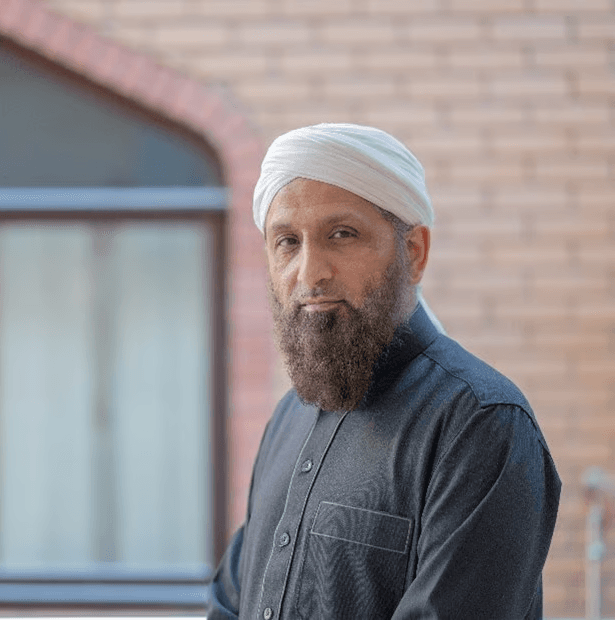
Shaykh Yunus Dudhwala
NHS hospital chaplain of 28 years, Islamic scholar, speaker and writer.
More about Shaykh Yunus →